Textiles & Home
Coyuchi Decorative Cushions: Materials, Construction, and Care
A decorative cushion can change the mood of a room in an instant. Its deeper story, however, is written in the fibers, seams, sourcing and care that determine whether it will remain beautiful and useful for years.
Published November 22, 2026
On a sofa, a bed or the solitary chair by the window, a cushion is an intimate design detail: close enough to touch, small enough to refresh a room, and practical enough to earn its place. The most considered decorative cushions do more than introduce color or pattern. They balance texture, comfort and construction, while making choices about materials that reach far beyond the living room.
Coyuchi’s decorative textile range offers a useful lens through which to examine those choices. Organic cotton covers, textured weaves, considered closures and clearly specified care instructions illustrate the details worth looking for when assessing a cushion. The aim is not to treat a single label or fiber as a complete measure of sustainability. Rather, it is to understand how a product is made, how it is used and how long it can remain in circulation.
That distinction matters. A natural fiber alone does not tell the whole environmental story, and an organic claim does not explain every stage of production. Sourcing, processing, manufacturing, durability, laundering and eventual disposal all contribute. A beautiful cushion is at its most compelling when its appearance is supported by practical information—and when it is chosen for a home where it can be cared for, repaired and kept.
Begin with the material, not the mood board
Color and pattern may draw the eye first, but the fiber is a better place to begin a thoughtful assessment. Many decorative covers are made from cotton, linen or blends. Each material has its own hand, texture and care profile, and each deserves to be considered in the context of how the cushion will actually be used.
Organic cotton is a familiar choice for home textiles because it can be woven into an expansive range of fabrics, from smooth sateen to textured slub yarns and knit constructions. A cover made from 100% organic cotton may feel crisp, plush or tactile depending on its yarn, weave and finishing. The fiber description is therefore only the opening line; construction shapes much of the experience.
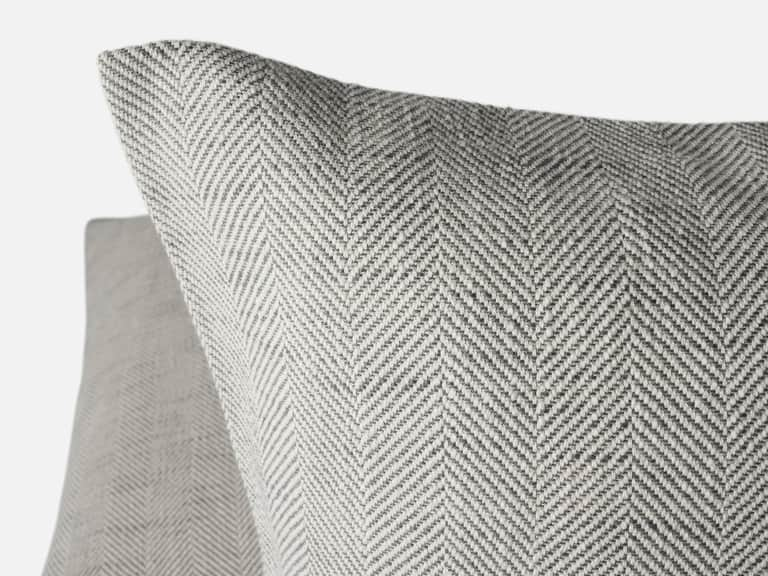
For example, the Coyuchi Canyon Organic Decorative Pillow Cover is described as 100% organic cotton, with thick and thin slub yarns arranged in a herringbone weave. That combination creates visible variation and a substantial handfeel. The knife-edge finish keeps the silhouette clean, while an envelope closure makes it possible to insert or remove the cushion without a more elaborate fastening.
Organic linen offers another kind of appeal. Its irregular surface and relaxed drape bring a naturally informal quality to a room, and linen often softens with use and washing. The details still matter: where the flax was grown, where it was woven, what finishing treatments were used, and what the care label recommends. “Natural” describes a source material, not an entire supply chain.
Blended fabrics can be attractive and functional, but they call for the same scrutiny. Look for the percentage of each fiber, and consider whether the blend can be cared for and ultimately handled in a way that suits your priorities. A cover made from several materials may be more difficult to recycle through ordinary textile channels than one made from a single fiber, although local reuse and recycling options vary considerably.
What an organic certification can—and cannot—tell you
Certification can help make material claims more legible. The Canyon cover is identified as GOTS certified. The Global Organic Textile Standard, commonly known as GOTS, sets requirements for organic fibers and includes environmental and social criteria for textile processing across its defined scope. It is more informative than a broad, unsupported “eco-friendly” claim, but it should not be read as a universal guarantee about every environmental impact associated with a product.
When reviewing a certification, check what is certified: the fiber, a component, the finished textile, or a broader processing chain. A product listing may use a certification name without explaining its precise scope, so a label or supporting documentation can be useful. Certification standards also have rules for claims and labeling; if a distinction is important to your decision, consult the standard holder’s current guidance rather than relying on a slogan alone.
It is equally useful to look beyond the seal. Country-of-origin information, material percentages and care instructions help build a more complete picture. Origin details do not in themselves establish strong or weak labor or environmental performance, but they can make the supply chain less opaque and give you better questions to ask.
- Look for a specific fiber composition rather than a vague description such as “natural fabric.”
- Check whether the certification applies to the relevant textile or material, and what standard is named.
- Notice where the fiber was grown and where the fabric or finished item was made, if that information is available.
- Read the care label before purchase, especially if the cushion will be used in a high-traffic room.
- Consider the full product: cover, insert, closure and construction, not just the most prominent sustainability claim.
Texture is a construction story
Texture is often what makes a decorative cushion feel considered rather than merely coordinated. A herringbone weave, a subtle slub or a knitted surface can lend dimension without relying on a high-contrast print. These effects are created through choices about yarn, structure and finishing, and they influence both the look and the way a fabric behaves over time.
In a slub yarn, variations in thickness are part of the visual character. Set into a herringbone structure, they produce a pattern with movement and a little irregularity—an effect that can feel warm and composed at once. This is different from a perfectly smooth plain weave, where the eye tends to read color and silhouette more strongly than surface. Neither is inherently superior; the right choice depends on the room, the desired atmosphere and the realities of use.
Finishes also deserve attention. A knife-edge seam creates a sharp, pared-back outline. A flange, fringe or decorative border can add a more expressive frame. Each finish contributes to the cushion’s style, but seam quality and consistent stitching are practical considerations too. A clean profile should not come at the expense of a seam that twists, pulls or opens under ordinary handling.
Before buying, inspect construction details in the product description or, where possible, in person. Check whether the seam is piped or plain, whether the closure is hidden, and whether the fabric has a visibly balanced weave. For a cushion intended for frequent use, consider how the cover might respond to pressure, friction and repeated laundering. A textured surface may be lovely, but very open or delicate constructions may need more careful placement.
The quiet importance of the closure
A closure is a small decision with an outsized influence on usability. Envelope closures keep the finish simple and make removal straightforward. Zippers can provide a neat, secure opening and allow a close fit, although their quality and placement affect comfort and longevity. Buttons and ties introduce a more decorative note but may need occasional checking or repair.
The Canyon cover uses an envelope closure. Its simplicity supports easy insertion and removal, which is particularly helpful when the cover needs washing or when you want to change the insert. The overlap should be generous enough to keep the insert contained during regular use. When fitting a cover, avoid forcing an oversized insert into a tight opening; excessive strain can stress seams and distort the fabric.
Good construction supports future care. A removable cover can be laundered without soaking an insert that may have different care requirements. Separating cover and fill also makes it easier to refresh the styling or replace one component without discarding the whole cushion. This modular quality is a modest but meaningful advantage when the aim is to keep household textiles in use longer.
Choosing an insert: comfort, shape and fit
A cover and its insert work as a pair, but they do not need to be made from the same material. When selecting an insert, consider how the cushion will be used. A decorative accent for a formal sitting room may prioritize shape and visual fullness; a cushion intended for reading or lounging needs a comfortable, supportive feel as well.
Size is an important starting point. Check the cover’s stated dimensions and compare them with the insert’s measurements. A fuller appearance sometimes calls for an insert slightly larger than the cover, but this depends on the cover’s fabric, construction and intended form. An insert that is too small can leave corners empty; one that is too large can pull at seams and make the cover look strained. When in doubt, follow the manufacturer’s sizing guidance.
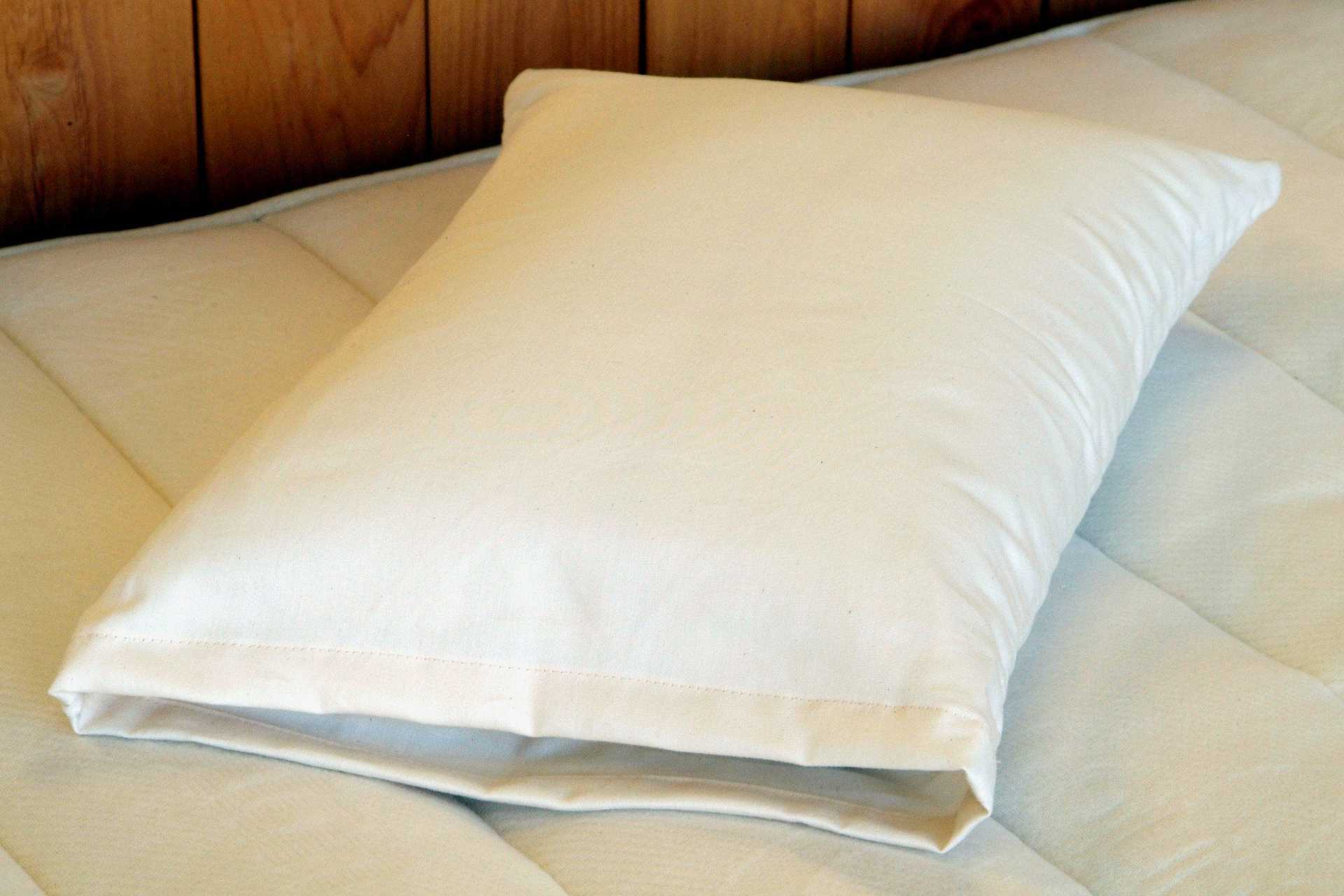
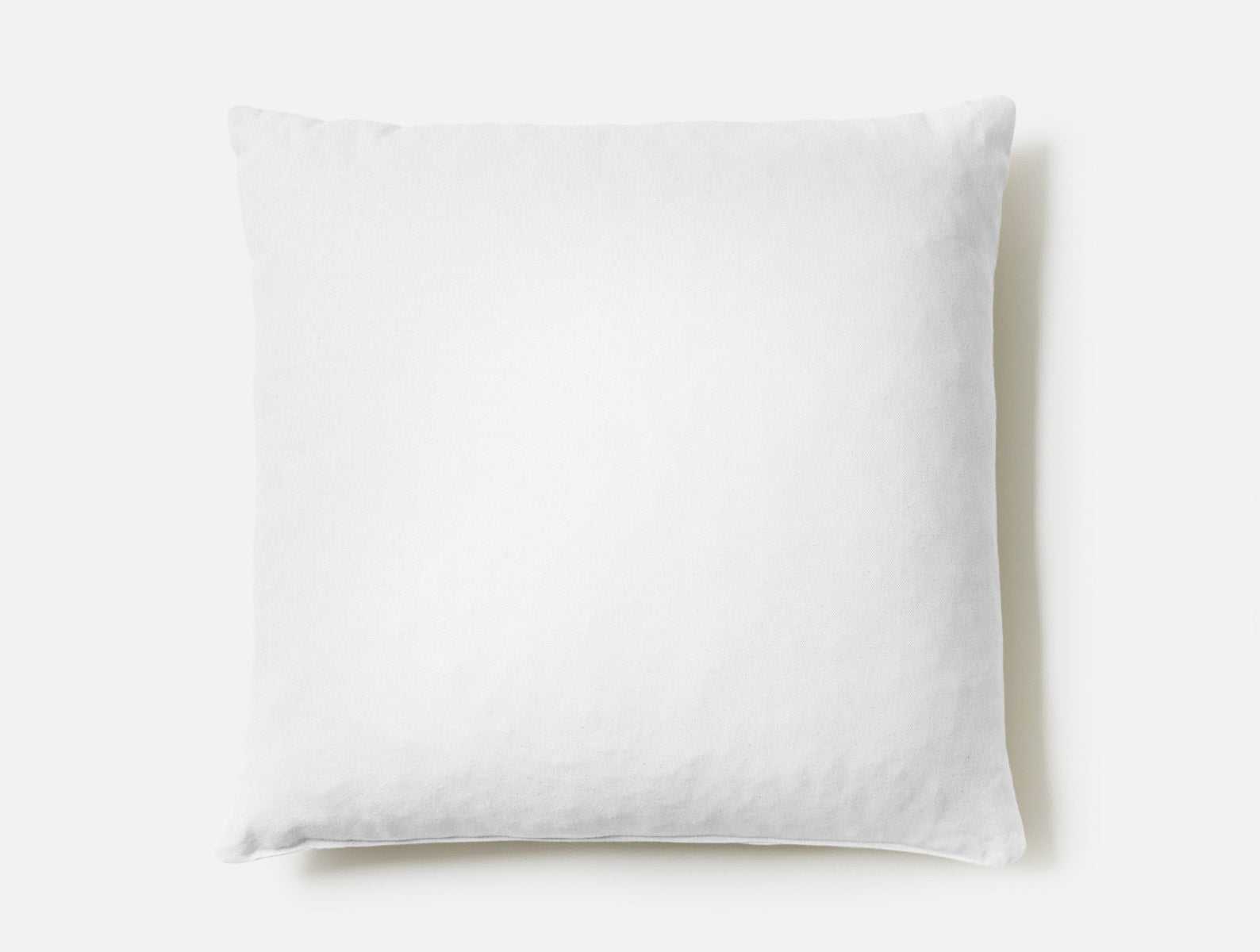
Fill changes the cushion’s character. Some fills compress into a soft, relaxed silhouette; others hold a firmer shape or can be molded back into position. The Organic Latex Throw Pillow Insert uses shredded organic Dunlop latex in an undyed organic cotton canvas cover. Its fill can be scrunched or molded, then springs back, giving it a fuller and firmer feel than down inserts. It is designed for a 22-by-22-inch cover and has a non-removable outer cover, so care is different from that of a removable decorative sham.
Those specifications make the insert’s role clear: it can support a decorative cover while also offering a more structured cushion for sitting up in bed. The material description lists GOLS and GOTS certifications, but the practical decision still comes down to fit, feel and care. Organic content and certification may matter to your priorities; so may whether the insert’s firmness suits the place where it will live.
Care that preserves the fabric
Care is not an afterthought. The way a cushion is washed, dried and stored can influence how long its color, shape and seams remain appealing. Before the first wash, read the specific instructions for the cover and insert separately. Do not assume that a removable cover and its filling share the same care method.
For the Canyon Organic Decorative Pillow Cover, the stated guidance is to machine wash cold on a gentle cycle with like colors, tumble dry low and remove promptly, then warm iron if desired. Those directions are more useful than a generic assumption that all cotton can be washed at any temperature. Cold water and a gentle cycle can reduce unnecessary stress on fibers, while removing the cover promptly from the dryer may help limit creasing. Follow the product’s own instructions, since dyes, finishing and construction all affect appropriate care.
For a spot or small spill, act promptly but gently. Blot rather than rub, using a clean cloth to lift moisture from the fabric. Rubbing can spread a stain and disturb the surface, particularly on textured weaves. If a cleaning product is needed, test it on an inconspicuous area first and make sure it is compatible with the fabric. Avoid aggressive treatments unless the care instructions specifically allow them.
Regular maintenance can be simple: fluff and rotate cushions, keep them away from prolonged direct sun where fading is a concern, and air them occasionally in a dry, well-ventilated space. In a busy household, a washable cover can make a decorative cushion easier to live with, but frequent laundering is not automatically better. Wash when needed, not by habit, and avoid unnecessary heat.
Repair, refresh and keep using
One of the most effective ways to reduce the impact of a textile is to extend its useful life. If a seam begins to loosen, a small repair may prevent a larger tear. A missing button, a tired insert or a change in color preference does not necessarily mean the entire cushion must go. A replacement cover, a different room or a new arrangement can give a familiar piece another chapter.
Even a durable cover will eventually show signs of use. The key is to distinguish a normal change in texture from damage that needs attention. A slightly softened surface can contribute to a cushion’s character; a pulled seam or spreading tear deserves repair before pressure makes it worse. If a cover is no longer suitable for display, it may still be useful as a protective cover for an insert or as a material for a straightforward household repair, depending on its condition and construction.
End-of-life options are not always simple. Textile recycling availability differs by location, and blended or finished fabrics may not be accepted in ordinary programs. Reuse and donation can be preferable when an item remains clean and serviceable. If the cushion is no longer usable, check local textile collection guidance rather than assuming it belongs in a household recycling bin.
A more considered way to choose
The most sustainable cushion is not necessarily the one with the longest list of claims. It is the one that meets your needs, fits your home, offers credible information and is likely to remain in use. A beautiful but fragile textile that is quickly replaced may be a less thoughtful choice than a simpler cover that suits your life and can be cared for easily.
Before making a decision, ask a few practical questions. Will the cushion be used every day or mostly styled? Is the cover removable? Does the fabric suit the room’s level of activity? Is the insert the right size and feel? Can you follow the washing instructions with the equipment and time you have? Are the material and certification details specific enough to be meaningful?
Those questions bring together style and stewardship without asking either to take a back seat. A well-chosen decorative cushion can offer tactile pleasure, visual balance and everyday comfort. When the materials are clearly described, the construction is fit for purpose and the care is manageable, the object becomes more than a finishing touch. It becomes a considered part of the home—one designed not simply to be admired today, but to be lived with.