A Practical Guide to Understanding Organic Certification Labels in Home Textiles
A Vogue-worthy, deeply informed exploration of how to read, compare, and verify organic certifications on bedding and pillows—so you can shop with confidence and conscience.
Published September 30, 2026 • Keywords: organic certification, GOTS, OEKO-TEX, organic textiles, bedding guides, eco-friendly pillows
Introduction: The luxury of informed choice
In the world of home textiles, what you can’t see—yet profoundly affects what you feel—is often hidden in plain sight: the labels that certify the materials, the processes, and the ethics behind the pillow you nest into at midnight. The modern consumer desires not only softness, breathability, and longevity, but also transparency. This guide invites you to elevate your buying mindset by decoding the language of organic certifications that grace bedding, pillows, and related textiles.
Think of certification labels as the couture of textiles: markers of provenance, purity, and responsible practice that translate into real-world performance—comfort that lasts, health considerations for sensitive skin, and a lighter footprint on the planet. The arc of this article follows three threads: understanding the major certification bodies (GOTS, GOLS, OEKO-TEX), examining how these labels influence fiber choices (organic cotton, organic wool, latex fills), and outlining practical steps to verify product claims before you buy.
Section 1: The big three—GOTS, GOLS, OEKO-TEX—what they cover and why they matter
The trio of labels most commonly encountered on bedding and pillows represents distinct assurances anchored in the textile supply chain.
- GOTS (Global Organic Textile Standard) – The gold standard for organic textiles. It governs the entire supply chain from the growing of organic fibers to the finished product. GOTS requires organic fiber content, prohibitions on most toxic chemicals, and social criteria for manufacturing. A GOTS certificate signals that the product’s fiber content is organic (usually 70–95% or more, depending on the item) and that both environmental and social responsibility are upheld across the processing stages.
- GOLS (Global Organic Latex Standard) – The certification pathway for latex materials sourced with organic standards. GOLS confirms that the latex core is produced and processed to organic criteria, with attention to the cultivation practices of rubber trees, minimal chemical intervention, and traceability through the supply chain. It often accompanies GOTS when the overall textile product uses organically produced latex in the fill.
- OEKO-TEX – A portfolio of checks focused on safety rather than full organic integrity. OEKO-TEX Standard 100, for example, tests textiles for harmful substances at the product level. It does not guarantee organic farming practices, but it does provide a baseline safety screen for chemical content. OEKO-TEX can appear alongside GOTS or other labels to reassure consumers about low toxin levels and consumer safety.
When you see these labels standing together on a product description, they tell a layered story: fibers grown with organic agriculture, processed with minimal hazardous substances, and finished into products that have undergone independent testing for safety. This layering is the essence of a responsibly made textile.
Section 2: Fiber deep-dive—what certifications mean for organic cotton, organic wool, and latex fills
Different fibers carry different environmental and health implications, and certifications help translate those implications into consumer-ready guarantees.
Organic Cotton
Organic cotton certified under GOTS ensures that the fiber portion of the textile is grown without synthetic pesticides and with sustainable farming practices. Beyond farming, GOTS also governs processing steps—spinning, weaving, dyeing, and finishing—mandating restricted chemical use, wastewater treatment, and fair labor practices. For bedding, organic cotton fibers tend to offer a soft, breathable surface with a lower ecological footprint when compared to conventional cotton.
Organic Wool
When wool is labeled organic, GOTS or a similar standard often governs the processing and finishing, ensuring the wool is sourced from farms that adhere to humane animal welfare standards and avoid chemical contaminants during processing. Organic wool fibers contribute to temperature regulation and moisture management, lending a comfort profile especially prized in pillows and body pillows.
Latex Fill (GOLS)
Latex certified under GOLS is produced from organic rubber trees and processed with minimal chemical intervention. In pillows, shredded or solid latex can offer durable resilience, contouring support, and consistent loft. The GOLS label confirms organic parity from the raw material through the latex core and, when paired with GOTS for the shell, creates a holistic organic product.
Section 3: How to verify claims—a practical playbook for shoppers
Cert labels are powerful, but they aren’t magic. Here’s a pragmatic approach to ensure what you’re buying truly aligns with your values and expectations.
- Check the certification scope. Read for clarity on which components are certified: the fabric, the fill, the trims, or the entire product. A GOTS label on a pillow fill alone may indicate organic content in the shell or covers, but the certification might not cover the entire product if some non-organic components are present.
- Inspect the fiber content disclosure. Look for precise percentages (e.g., 100% organic cotton, or 70% organic cotton with a non-organic blend). Some products allow partial certification, so understanding the composition helps you gauge overall environmental impact.
- Traceability and supply chain transparency. Some brands provide supply chain mappings, farm origin stories, or third-party audit reports. When in doubt, request documentation or look for publicly accessible certificates on the brand’s site or the certifying body’s database.
- Consider processing and finishing attestations. A product can be labeled organic for the fiber content, but the dyes and finishing agents may not be restricted to safe or low-toxicity standards unless the certification explicitly covers processing phases. GOTS, for example, is strict in processing and dyeing stages.
- Evaluate end-of-life and durability messaging. Certifications often imply a commitment to long product life, recyclability, and reduced chemical load across the lifecycle. Look for care instructions that extend the product’s life and reduce waste.
A savvy shopper also cross-references independent sustainability resources, industry reports, and peer-reviewed materials science insights to understand the true implications of the fibers you choose. Certification labels empower you to compare apples to apples across brands, rather than rely on marketing language alone.
Section 4: Practical guides to product descriptions and labelling for bedding and pillows
Reading product descriptions with a trained eye helps you separate marketing hype from verifiable facts. Here are patterns to watch for in pillow and bedding listings.
- Explicit fiber content: Look for exact percentages and fiber types (e.g., “Fill: 50% white goose down, 50% natural milkweed fiber”).
- Certification badges: Identify which stages are certified and whether the label is independent or brand-initiated. GOTS and GOLS badges are typically verification from an external certifier.
- Processing language: Phrases like “certified organic cotton,” “GOTS-certified,” or “GOLS-certified latex” carry different implications depending on whether they apply to the entire product or specific components.
- Origin and traceability details: A transparent product often includes origin notes (where the cotton is grown, where the fiber is processed, where the final assembly occurs). This helps you assess supply chain breadth and risk.
- Care and durability claims: Durable, easy-care designs with protective casings, washability, and post-purchase longevity considerations reflect thoughtful certification usage and quality standards.
In a market crowded with claims, mindful shoppers gravitate toward brands that provide complete, verifiable information—certificate numbers, issuing bodies, and a path to re-verification as products move through the supply chain.
Section 5: A curated look at a representative product class—the pillow category through an organic lens
Pillows illustrate the nuanced dance between comfort and ethics. Think of a pillow as a symphony of core materials, outer fabrics, and practical care, where certification labels harmonize with performance.
In the Pillow category, you may encounter a spectrum: organic cotton shells enrobing shredded latex cores, organic wool fillings offering temperature regulation, kapok as a down-alternative, or recycled-down inserts with organic cotton casing. When brands pair GOTS on the shell with GOLS on the core, you get a coherent organic narrative across the entire sleep surface. This alignment reduces the risk of “organic” claims that only apply to partial components.
The practical upshot for shoppers: prioritize products that clearly indicate both fiber content and the scope of certification. If you see a pillow described as “GOTS-certified shell with GOLS-certified latex core,” you’re accessing a higher confidence level than a pillow with a single label or ambiguous statements.
Section 6: How to use certifications in your daily shopping for bedding and pillows
Certifications aren’t just badges; they anchor your decisions across price, performance, and environmental impact. Here are practical steps to integrate certification literacy into your shopping routine.
- Create a certification checklist. Before browsing, decide which certifications matter most to you (e.g., GOTS, GOLS, OEKO-TEX). If your priority is fully organic fiber content with strong processing standards, aim for products with GOTS (and ideally GOLS where latex is involved).
- Ask for documentation. When a product claims organic status, request the certificate number or an accessible certificate database link. This makes claims audit-able and transparent.
- Compare like-for-like. Compare products that share the same certification framework. When possible, align fiber types (organic cotton vs. organic wool), then evaluate hold, washability, and comfort attributes.
- Consider lifecycle considerations. Look for packaging transparency, recycling/stewardship programs, and end-of-life options. Certifications can be part of a broader sustainability strategy that includes responsible waste management.
The Vogue approach to shopping for textiles embraces luxury without compromising ethics. Certification-informed choices translate into a sleep environment that feels indulgent and mindful, a rare combination that stands the test of time.
A look at available items that align with an organic ethos
Among the curated offerings in the bedding and pillow milieu, certain items exemplify the intersection of comfort, design, and organic certification. These products illustrate how a label can accompany a beautifully engineered sleep experience.
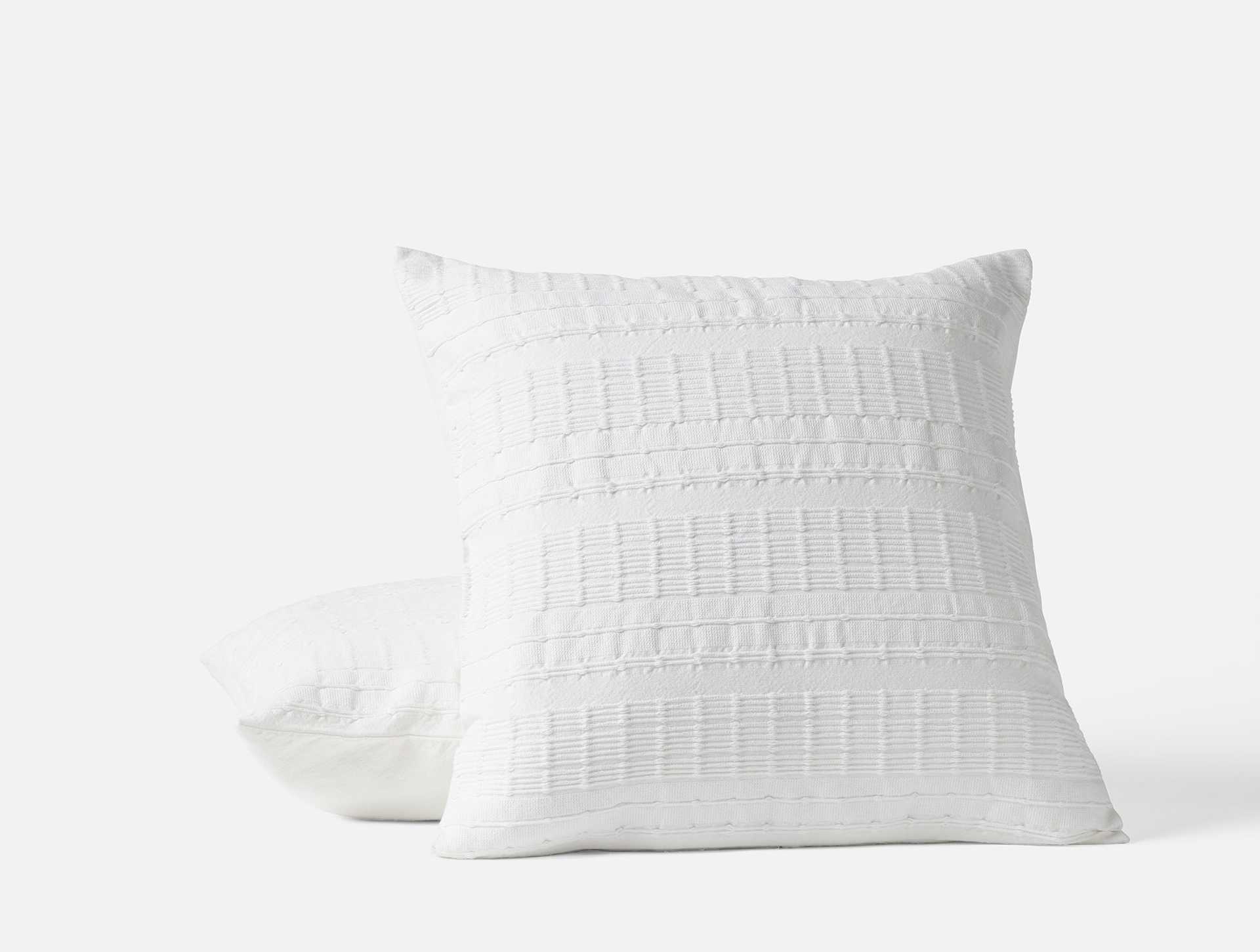
- Throw Decorative Pillows — A refined decorative option that pairs a cloud-like fill with an organic shell. Description notes emphasize a balanced loft and a durable cambric cotton shell. While not all decorative pillows carry full-scale certifications, the emphasis on natural fibers and responsible sourcing aligns with organic textile sensibilities. Link to product for reference: Throw Decorative Pillows.
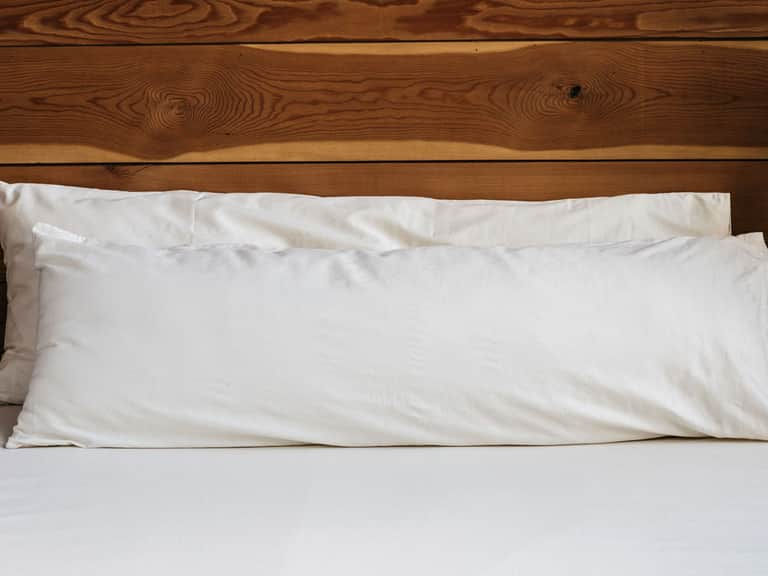
- All-Natural Body Pillows — Two sizes, with transparent material sourcing from multiple regions, reflecting a commitment to natural wool and organic cotton construction. This item embodies the idea that certified fibers can extend beyond bedding into ergonomic support products designed for long-term wellness. Link to product for reference: All-Natural Body Pillows.
These items illustrate how certified organic materials can inform diverse sleep-ready products, from plush decorative cushions to supportive body pillows, all while maintaining a luxurious, editorial-grade aesthetic.
Conclusion: The certainty of certified comfort
The modern sleep wardrobe is more than a collection of textiles; it is a statement about values, health, and the future of fashioning the home. Certification labels offer a trusted compass in a market saturated with claims. By understanding what GOTS, GOLS, and OEKO-TEX promise—and by verifying those claims through documentation and traceability—you can curate a space that feels as luxurious as it looks, with the assurance that every thread is part of a responsible, humane, and environmentally mindful story.
As you curate your bedding, pillows, and sleep accessories, allow certification transparency to guide you toward pieces that deliver uncompromising comfort while upholding ethical standards. The result is a sleeping environment that reads like couture—refined, sustainable, and deeply personal.
Notes for readers
This guide aims to equip readers with practical literacy for organic labels in home textiles. It favors public, well-documented standards and does not speculate about individuals or non-public figures. For a deeper dive, explore official resources from GOTS, GOLS, and OEKO-TEX, plus brand-specific disclosures that illuminate supply chain transparency.
Editorial spotlight: a brief catalog of select products with organic integrity
To illustrate the practical end of this guide, here are examples of items that align with an organic ethos, drawn from existing catalogues. These references are provided to help you navigate real-world product options without fabricating claims.
- Throw Decorative Pillows — Cloud blend fill, 50% goose down and 50% natural milkweed fiber, housed in cambric cotton. Link: Throw Decorative Pillows
- All-Natural Body Pillows — Organic cotton cover with Premium Eco Wool fill, sourced with transparent origins across India, Pakistan, the western US, and New Zealand. Link: All-Natural Body Pillows
These examples reflect the article’s emphasis on organic fiber content, ethical sourcing, and responsible manufacturing—principles that influence both comfort and conscience.